Before You Shop a Design, Ask the Cemetery What Your Section Allows
The Cemetery Code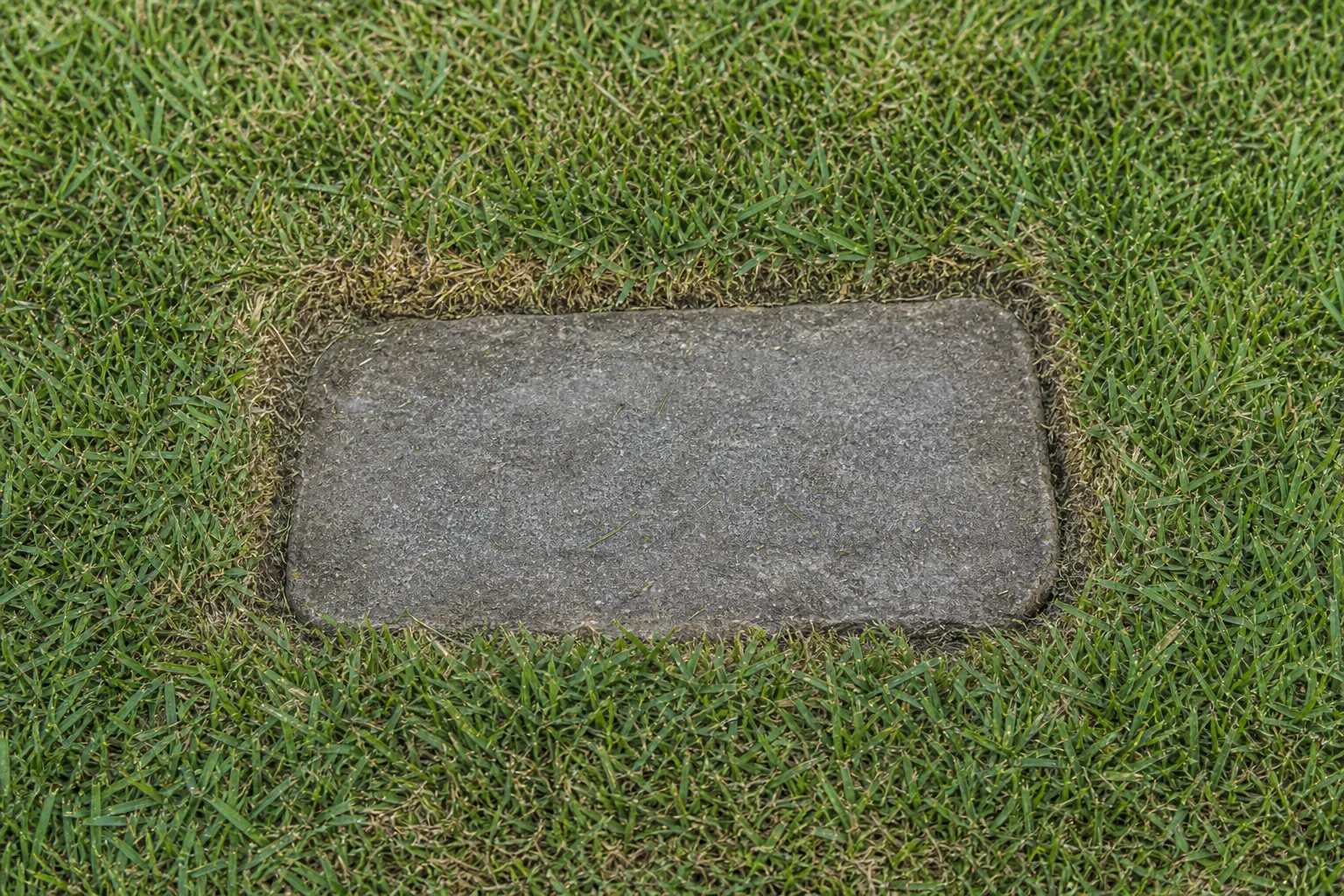
Section over cemetery. Rules vary from one section of a cemetery to the next, because sections were platted and sold under different regulations in different decades. Ask about your section specifically, not the grounds as a whole.
Deed numbers first. When you call the office, read the section, block, lot and grave numbers off the deed. An answer keyed to the wrong plot is worse than no answer at all.
Flush-only lawn sections. Many sections opened after the 1950s permit only markers set level with the turf so mowers can pass over them. No upright design will be approved there, regardless of who sells it to you.
A family in the Midwest picked out a two-foot upright in gray granite, agreed a price of a little over four thousand dollars with a monument dealer, and paid a deposit. Three weeks later the cemetery office returned the permit application with a single line written across the top: this section is flush markers only. The design was dead, the deposit was in dispute, and the family started over with a bronze plate on a granite base costing roughly half as much. Nobody had asked the office anything before the order was signed. The rules had existed, in print, the whole time.
The section, not the cemetery, is the unit of regulation
Most cemeteries of any size are divided into sections, and the sections were sold under different rules in different decades. An older part of the grounds may permit uprights of almost any height, with die and base together running two or three feet tall, while a lawn section opened in the 1970s permits only markers set flush with the grade so that crews can mow straight across. Some sections are bronze only, some allow granite flush markers, some allow either but cap the outside dimensions. The deed your family holds is for a specific plot in a specific section, and that plot inherits whatever restrictions were recorded when the section was platted.
This matters because the restriction arrives first in the sequence, before style, before stone color, before lettering. A family that starts by browsing designs is choosing from a catalog in which most items are already unavailable to them. Working the other direction, section rules first, cuts the field to a manageable handful and prevents the expensive reversal. The office almost never volunteers the rules unprompted, not out of obstruction but because staff assume the monument dealer will ask, while the dealer assumes the family already knows.
What the written rules actually specify
A complete set of section regulations will address five things. Whether markers may stand upright or must sit flush. The maximum length and width of the base, commonly expressed in inches, with a separate limit for a companion marker serving two graves. The permitted materials, which is where bronze-only lawns and prohibitions on marble or sandstone appear. The foundation requirement, meaning who pours it, to what depth, and whether the cemetery reserves that work to its own crew. And the fee schedule for the permit, the foundation, and the installation itself.
Many families begin by looking at headstones online, comparing prices and shapes, and only afterward discover that a whole category was never permitted on their plot. The five items above are the filter. Applied first, they turn an unbounded choice into a real one, and they let you price accurately, because the foundation charge and the installation charge are set by the cemetery rather than by the person selling you the stone.
Getting the rules in writing from the office
Call the cemetery office and ask for the rules and regulations for your section, in writing, by email or mail. Give the section, block, lot and grave number exactly as they appear on the deed, because the answer changes from one section to the next and a verbal answer keyed to the wrong plot is worse than none. Ask specifically for the maximum base dimensions in inches, the permitted materials, whether the cemetery pours foundations itself, and the current fee schedule. Ask whether the rules in force are the ones recorded when the section opened or a later amendment. Put the request in writing so the reply is in writing.
If the office sends a one-page summary, read it against the questions you asked and follow up on anything unanswered. A dealer who works that cemetery regularly will often have the specifications on file already, which is a reasonable cross-check, though the office copy governs. Keep the email. When the permit application goes in, weeks or months later, having the office's own language on hand settles most disagreements immediately.
What the restriction costs, in dollars
The gap between an upright and a flush marker is the largest single cost consequence in the whole process, and it is decided by the section, not by taste. An upright needs more stone, more polished surface, more inscription area and a poured foundation deep enough to hold it plumb through freeze and thaw. A flush marker needs a smaller slab, a shallower setting, and less labor to place. A bronze-only section adds its own arithmetic, since bronze is priced by the plate and by the granite base beneath it, and the letters are cast rather than cut.
The foundation is where families are most often surprised. When the cemetery reserves that work, the charge appears on its invoice rather than the dealer's, and it scales with the size of the base, so a larger monument costs more twice over. Ask for both numbers before you commit. A family that knows the section permits only a twenty-four by twelve flush marker, and that the cemetery charges a set fee to set it, can price the entire job within a narrow band on the first day.
Where the rules come from
Cemetery regulations are private rules attached to the plot rather than public law, though they are enforceable, and states regulate cemeteries through their own boards or departments. The Federal Trade Commission is responsible for how funeral providers disclose prices to consumers, which is a useful reminder that itemized written figures are a normal thing to ask for. A cemetery that maintains clear section rules and a published fee schedule is doing the family a service, because the constraints are knowable in advance and the price follows from them.
Ask the office first, get the answer on paper, then look at designs. The order of those three steps is what separates a straightforward purchase from a canceled one.
- Bronze-only areas
Some memorial lawns permit cast bronze plates on granite bases and nothing else. Bronze is priced by the plate size and by the base beneath it, and the letters are cast rather than cut.
- Maximum base dimensions
Rules usually cap the outside length and width of the base in inches, with a larger allowance for a companion marker over two graves. Those two numbers alone eliminate most catalog items.
- Who pours the foundation
Some cemeteries reserve foundation work for their own crew and bill it separately from the monument. Confirm this before signing anything, since it moves a real cost onto a second invoice.
Most cemeteries require an approved permit application, with a drawing and dimensions, before a marker is cut. Submitting it early catches a violation while the stone is still blank.